How Books Expand Knowledge
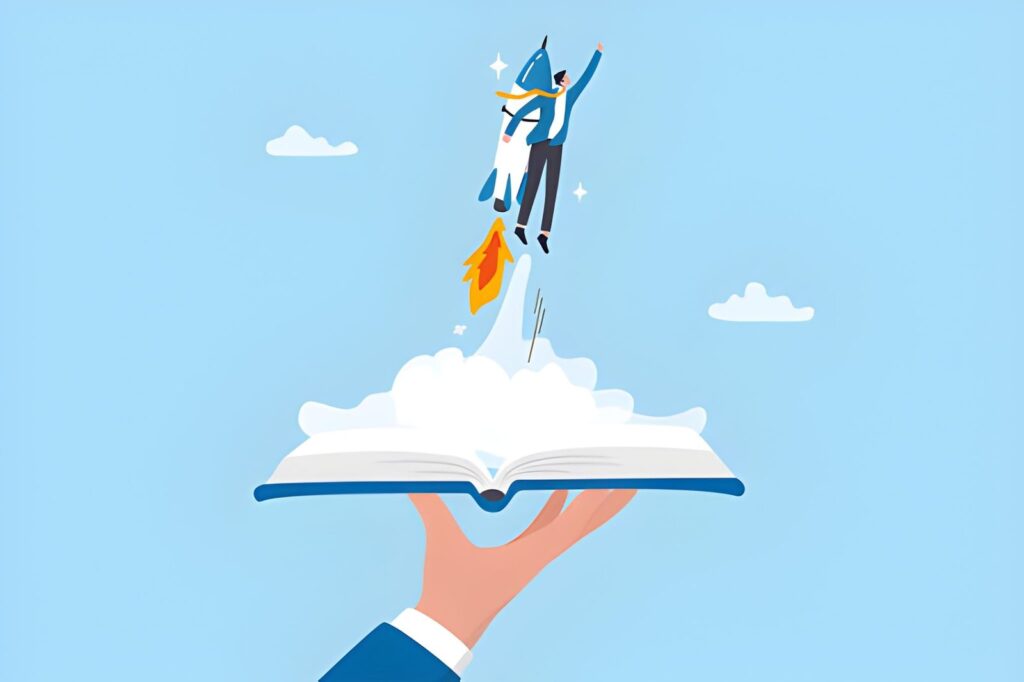
Books have been trusted sources of knowledge for generations. Long before smartphones, search engines, and digital platforms became part of everyday life, people relied on books to record discoveries, preserve history, share ideas, and teach future generations. Even today, when information is available within seconds, books remain a valuable way to learn and understand the world.
Reading a King88 đăng nhập book is not simply about collecting facts. It is about exploring ideas in greater depth, discovering different perspectives, and developing a habit of thoughtful learning. Whether a person reads for education, personal interest, or entertainment, books can expand knowledge in ways that influence how they think, communicate, and make decisions.
Books Introduce Us to New Ideas
One of the greatest benefits of books is their ability to introduce readers to ideas they may never encounter in everyday life.
A person can learn about distant cultures, scientific discoveries, historical events, or unfamiliar professions simply by opening a book.
This exposure helps people move beyond the limits of their immediate surroundings.
For example, someone living in a small community can read about life in another country and gain an understanding of different customs and traditions.
Books make the world feel larger by allowing readers to explore subjects and experiences beyond their personal lives.
Books Provide In-Depth Knowledge
The internet is useful for finding quick answers, but books often allow a subject to be explored more thoroughly.
A book can explain the background of an idea, examine different viewpoints, and provide examples that help readers understand complicated topics.
Instead of learning one isolated fact, readers can discover how different pieces of information connect.
This deeper approach is especially valuable when studying subjects such as history, science, economics, or philosophy.
Books give readers time to understand a topic instead of simply moving from one piece of information to another.
Reading Develops Critical Thinking
Books can encourage readers to think carefully about the information they receive.
A good book may present an argument, describe a historical event, or explore a controversial idea.
Readers can consider the evidence, compare perspectives, and decide what they think.
This process develops critical-thinking skills.
Instead of accepting every idea immediately, people learn to ask questions and examine information more carefully.
These skills are useful in everyday life, especially when people encounter large amounts of information through social media and digital platforms.
Books Expand Vocabulary
Regular reading can also improve language skills.
Books introduce readers to new words, expressions, and writing styles.
Over time, this exposure can expand vocabulary and make communication more effective.
A larger vocabulary helps people express their ideas with greater clarity and confidence.
It can also improve writing skills because readers naturally become familiar with sentence structure and different ways of presenting information.
Whether someone is writing an email, preparing a presentation, or having a conversation, strong language skills can be extremely useful.
Learning From Different Perspectives
Books allow readers to experience different ways of thinking.
A memoir may describe the personal journey of someone from a completely different background. A historical book may explain how people lived during another period. A novel may allow readers to understand emotions and experiences through fictional characters.
These perspectives can develop empathy.
Readers may begin to understand that people can see the same situation differently because of their experiences and circumstances.
This does not mean agreeing with every viewpoint.
Instead, it encourages people to listen, think, and understand before making quick judgments.
Books Preserve History
One of the most important roles of books is preserving knowledge from the past.
Historical records, biographies, and personal accounts allow future generations to learn from earlier experiences.
By understanding what happened before, people can recognize how societies have changed and what lessons can be learned from previous decisions.
History is not only about memorizing dates.
It is about understanding the choices, challenges, and achievements that shaped the world.
Books keep these stories alive and make them available to people who were not present when those events occurred.
Reading Encourages Lifelong Learning
Education does not have to end when formal schooling is completed.
Books make lifelong learning possible.
Anyone can choose a subject that interests them and begin exploring it independently.
Someone might read about gardening, technology, psychology, leadership, finance, or a new language.
There are no strict age limits on learning.
This freedom allows people to continue developing their knowledge throughout different stages of life.
Books Inspire Creativity
Reading can also encourage imagination and creativity.
Fiction allows readers to visualize unfamiliar worlds and situations, while nonfiction can introduce ideas that inspire new projects.
Creative thinking often comes from connecting different ideas.
The more people learn about different subjects, the more possibilities they have for making unexpected connections.
A book about science might inspire a new invention, while a story might inspire someone to write, paint, or create something of their own.
Reading Helps People Reflect
Books can provide valuable moments of quiet reflection.
Modern life is often filled with notifications, messages, and constant distractions.
Reading encourages people to slow down and focus on one idea at a time.
Sometimes a book can raise a question that makes readers think about their own choices, goals, or beliefs.
This reflective process can lead to personal growth.
Knowledge becomes more meaningful when people take time to consider how it connects to their own lives.
The Importance of Reading Widely
Reading different types of books can broaden knowledge even further.
A person who reads only one type of material may develop deep knowledge in one area but miss other valuable perspectives.
Exploring fiction, nonfiction, history, science, biographies, and practical guides can create a more balanced understanding.
Not every book will be equally useful, but every reading experience can provide something new.
The goal is not to finish hundreds of books simply to count them.
The real value lies in understanding, questioning, and applying what has been learned.
Conclusion
Books expand knowledge by opening doors to new ideas, cultures, experiences, and perspectives. They provide detailed information, strengthen critical thinking, improve vocabulary, preserve history, and encourage creativity.
In a world where information is constantly available, books remain powerful because they allow people to slow down and explore ideas more deeply.
Every book offers an opportunity to learn something, whether it is a practical skill, a historical lesson, a new perspective, or an idea that changes the way someone thinks.
The most valuable reading is not always the book that provides the most facts. Sometimes, it is the one that encourages readers to ask better questions and become more curious about the world.
Ultimately, books are more than collections of words on pages. They are tools for discovery and personal growth.
By making reading a regular habit, people can continue expanding their knowledge throughout life. Every chapter can introduce a new possibility, and every new idea can become a stepping stone toward greater understanding.
The world is filled with Casino King88 knowledge waiting to be explored. Sometimes, all it takes to begin is opening a book.