How to Strengthen Critical Reading Skills
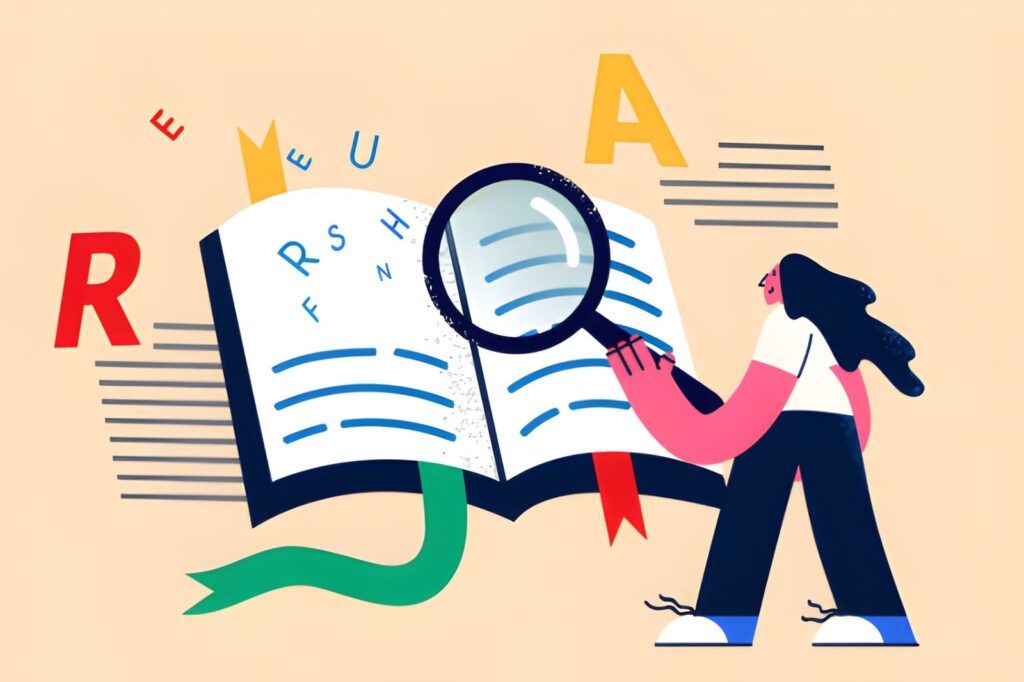
Critical reading skills are essential for success in school, work, and everyday TG88 đăng nhập life. In a world filled with articles, emails, reports, social media posts, and online opinions, it is not enough to simply read words on a page. Strong readers know how to question, analyze, evaluate, and interpret what they read. They can separate fact from opinion, identify bias, understand arguments, and make informed decisions.
Whether you are a student, professional, or lifelong learner, improving your critical reading skills can help you think more clearly and communicate more effectively. This guide explains practical strategies you can use to become a stronger, more active reader.
What Are Critical Reading Skills?
Critical reading skills are the abilities you use to understand and evaluate written information. Instead of accepting a text at face value, critical readers examine how and why the text was written. They look at the author’s purpose, evidence, tone, structure, and assumptions.
Critical reading involves asking questions such as:
– What is the main idea?
– What is the author trying to prove?
– Is the evidence reliable?
– Are there any hidden biases?
– What information is missing?
– Do I agree with the argument? Why or why not?
These questions help readers move beyond basic comprehension and toward deeper understanding.
Why Critical Reading Skills Matter
Strengthening critical reading skills has many benefits. In education, these skills help students analyze literature, understand textbooks, and write stronger essays. In the workplace, they help professionals review reports, interpret data, evaluate proposals, and make better decisions.
Critical reading is also important in daily life. Every day, people encounter news stories, advertisements, product reviews, and social media content. Not all information is accurate or trustworthy. Critical reading helps you recognize misleading claims, emotional manipulation, and weak arguments.
By becoming a critical reader, you become a more independent thinker.
Start With a Clear Purpose
Before you begin reading, ask yourself why you are reading the text. Are you trying to learn new information, prepare for a test, review an argument, or decide whether a source is trustworthy?
Having a purpose helps you stay focused. For example, if you are reading a research article, your goal may be to understand the author’s claim and evaluate the evidence. If you are reading a novel, your purpose may be to examine character development, themes, or symbolism.
A clear purpose turns passive reading into active reading.
Preview the Text Before Reading
One effective way to improve critical reading skills is to preview the material before reading it closely. Look at the title, headings, subheadings, introduction, conclusion, images, charts, and any highlighted terms.
Previewing gives you a sense of the structure and main topic. It also helps your brain prepare for the information you are about to read. When you know what to expect, you can better identify important points and follow the author’s argument.
For longer texts, previewing can also save time by helping you decide which sections need the most attention.
Read Actively and Take Notes
Active reading means engaging with the text as you read. Instead of simply moving your eyes across the page, interact with the material. Highlight key points, underline important phrases, and write notes in the margins.
You can also use symbols to mark different ideas:
– A question mark for confusing points
– An exclamation point for surprising ideas
– A star for important evidence
– A circle around unfamiliar words
Taking notes helps you remember information and notice patterns. It also makes it easier to review the text later.
Identify the Main Idea and Supporting Details
A key part of critical reading is finding the main idea. The main idea is the central point the author wants to communicate. Supporting details include facts, examples, statistics, explanations, or stories that develop the main idea.
After reading a section, pause and summarize it in one or two sentences. Ask yourself: “What is this part mostly about?” If you cannot answer, reread the section more carefully.
Understanding the relationship between main ideas and supporting details helps you follow the author’s logic and evaluate whether the text is convincing.
Evaluate the Author’s Evidence
Not all evidence is equally strong. Critical readers look closely at the information an author uses to support claims. Evidence may include research studies, expert opinions, personal experiences, statistics, or historical examples.
When evaluating evidence, ask:
– Is the evidence current?
– Does it come from a reliable source?
– Is it relevant to the claim?
– Are the examples specific or vague?
– Could the data be interpreted differently?
Strong evidence makes an argument more persuasive. Weak or unsupported evidence should make you question the author’s conclusion.
Recognize Bias and Point of View
Every writer has a perspective. Sometimes that perspective is clear, and sometimes it is hidden. Bias occurs when a writer presents information in a one-sided or unfair way.
To identify bias, pay attention to word choice, tone, and missing viewpoints. For example, emotionally charged language may be used to influence your feelings rather than your reasoning. A text that ignores opposing arguments may not provide a balanced view.
Recognizing bias does not always mean the text is wrong. However, it does mean you should read carefully and consider other sources before forming an opinion.
Build Your Vocabulary
A strong vocabulary improves reading comprehension and critical thinking. When you understand more words, you can better follow complex ideas and identify subtle meanings.
When you find an unfamiliar word, try to understand it from context first. Then look it up and write down its definition. Pay attention to how the word is used in the sentence.
Reading a variety of materials—such as books, essays, news articles, academic texts, and opinion pieces—can help expand your vocabulary naturally.
Ask Questions While Reading
Questioning is one of the most powerful critical reading strategies. Good readers constantly ask questions before, during, and after reading.
Try asking:
– What do I already know about this topic?
– What does the author want me to believe?
– What evidence supports this point?
– What assumptions does the author make?
– What questions remain unanswered?
These questions encourage deeper thinking and help you stay actively involved with the text.
Compare Multiple Sources
To strengthen critical reading skills, avoid relying on only one source. Reading multiple sources on the same topic allows you to compare facts, opinions, and arguments.
Look for agreements and contradictions between sources. If several reliable sources support the same point, it is more likely to be accurate. If sources disagree, examine why. Differences may come from bias, outdated information, or different interpretations of evidence.
Comparing sources is especially important when reading about current events, health, science, politics, or financial topics.
Summarize and Reflect After Reading
After finishing a text, take time to summarize what you read. Write down the main idea, key arguments, important evidence, and your personal response.
Reflection helps you process information and form your own opinion. Ask yourself whether the text changed your thinking, confirmed what you already believed, or raised new questions.
This final step is important because critical reading is not just about understanding the author’s ideas. It is also about deciding what you think and why.
Practice Regularly
Like any skill, critical reading improves with practice. Set aside time to read challenging material regularly. Choose texts that make you think, such as editorials, essays, research articles, classic literature, or in-depth reports.
Start slowly and focus on quality rather than quantity. It is better to read one article carefully than to skim five articles without understanding them.
Over time, active reading, questioning, note-taking, and evaluating evidence will become natural habits.
Conclusion
Strengthening critical reading skills takes patience and practice, but the benefits are worth the effort. By reading with purpose, taking notes, identifying main ideas, evaluating evidence, recognizing bias, and comparing sources, you can become a more thoughtful and confident reader.
In today’s information-rich world, critical Casino TG88 reading is more important than ever. It helps you understand complex ideas, avoid misinformation, and make better decisions. The more you practice, the stronger your reading, thinking, and communication skills will become.