The Evolution of Modern Education
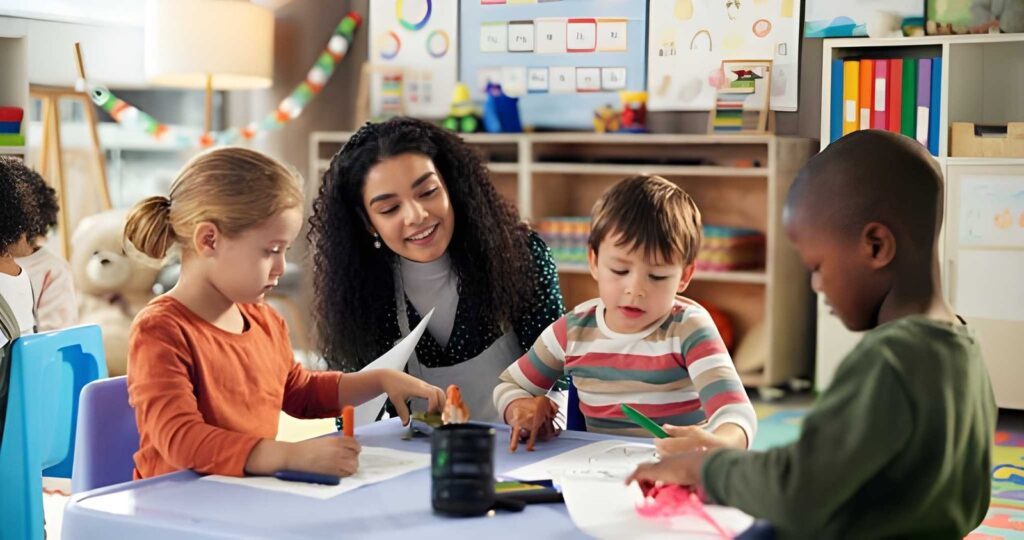
Education has always been an important part of human development, but the way people learn has changed dramatically over time. From small groups gathering around teachers to today’s digital classrooms and online learning platforms, education has continuously evolved to meet the needs of changing societies. This evolution reflects new technologies, discoveries, cultural shifts, and a growing PG88 of how people learn best.
Modern education is no longer limited to memorizing information or sitting in a classroom for several hours a day. It increasingly focuses on critical thinking, creativity, collaboration, practical skills, and lifelong learning. While traditional methods still have value, new approaches have created more opportunities for students to become active participants in their own education.
From Traditional Classrooms to Modern Learning
In the past, education was often centered around the teacher. Students typically listened to lectures, copied notes, read textbooks, and memorized information. The teacher was considered the primary source of knowledge, while students were expected to absorb and remember what they were taught.
This approach helped establish basic educational systems, but it did not always provide students with opportunities to explore ideas independently.
Modern education has gradually shifted toward more interactive learning. Students are encouraged to ask questions, participate in discussions, work on projects, and apply knowledge to real-world situations. Instead of simply remembering facts, they are often encouraged to understand concepts and think about how those concepts can be used.
The Rise of Technology in Education
Technology has been one of the biggest influences on modern education. Computers, tablets, smartphones, and internet access have changed how students find and interact with information.
Today, a learner can explore a subject through online articles, educational videos, digital libraries, virtual simulations, and interactive applications. This has expanded learning beyond the traditional classroom.
Technology has also made communication easier. Students can collaborate on digital projects, communicate with teachers online, and access educational resources from different parts of the world.
However, technology is most effective when used thoughtfully. Digital tools should support meaningful learning rather than become distractions. Teachers continue to play an important role in helping students understand information, develop confidence, and use technology responsibly.
The Growth of Online Learning
Online education has become an increasingly important part of modern learning. Students can now take courses from educational institutions and learning platforms without being physically present in a traditional classroom.
This flexibility has opened new doors for people who may have difficulty attending regular classes. Working professionals can learn new skills in their spare time, while students can explore subjects that may not be available locally.
Online learning also allows individuals to study at their own pace. Some learners may need extra time to understand a difficult concept, while others may move quickly through familiar topics.
The growth of online education demonstrates how learning can become more flexible and accessible.
A Greater Focus on Practical Skills
Modern education increasingly recognizes that knowledge alone is not always enough. Students also need skills that help them navigate real-world situations.
Communication, problem-solving, teamwork, creativity, digital literacy, and time management are becoming important parts of education. These skills can help students prepare for careers and everyday responsibilities.
Project-based learning is one example of this approach. Instead of only studying a concept in theory, students may work together to create something, investigate a problem, or develop a practical solution.
This approach can make education feel more relevant and engaging.
The Importance of Critical Thinking
The internet has created access to an enormous amount of information, but not all information is accurate. As a result, modern education places greater importance on critical thinking.
Students need to learn how to question information, evaluate sources, recognize different perspectives, and form their own conclusions.
These skills are useful far beyond school. They help people make better decisions about careers, finances, technology, and everyday life.
Education is therefore becoming less about simply collecting information and more about learning how to use information wisely.
Education Is Becoming More Personalized
Another important change is the growing focus on individual learning needs. Every student has different strengths, interests, and challenges.
Modern educational tools can sometimes provide personalized learning experiences. Digital platforms may allow students to practice specific skills, receive immediate feedback, or revisit lessons they find difficult.
Personalized approaches can help learners feel more involved in their education. Instead of expecting everyone to learn in exactly the same way, educators can explore methods that support different needs.
Lifelong Learning Is the New Reality
Perhaps one of the biggest changes in modern education is the understanding that learning does not end with graduation.
Technology and industries continue to evolve, meaning people may need to develop new skills throughout their careers. Professionals can take online courses, attend workshops, read industry resources, or learn through practical experience.
Lifelong learning encourages people to remain curious and adaptable. It also helps individuals prepare for opportunities and challenges that may not have existed when they first completed their formal education.
Conclusion
The evolution of modern education is a story of continuous change. From traditional classrooms to digital platforms, education has expanded its methods and goals to meet the needs of a rapidly changing world.
Today’s learners have more access to information and resources than ever before. They can study online, collaborate across distances, explore interactive content, and develop practical skills that prepare them for real-life challenges.
Yet the heart of education remains the same: helping people grow, understand the world, and reach their potential. As technology continues to advance, the future of education will likely become even more flexible and personalized. The most successful systems will be those that combine innovation with strong teaching , human connection, curiosity, and critical thinking.
Education will continue to evolve, but its purpose will remain powerful—to give every generation the knowledge and skills needed to build a better future.
Success in the professional world is often associated with knowledge, skills, and hard work. While these qualities are important, strong professional relationships can be just as valuable. The people we work with, learn from, and connect with can influence our opportunities, confidence, and long-term growth. Bắn cá PG88 meaningful relationships at work is not about collecting as many contacts as possible. It is about creating connections based on trust, respect, communication, and mutual support.
Whether someone is starting their first job, managing a team, running a business, or developing a career, strong professional relationships can make the journey more rewarding and productive. Good relationships create an environment where people feel comfortable sharing ideas, solving problems, and working toward common goals.
Start With Genuine Respect
Every strong professional relationship begins with respect. People come from different backgrounds and have different experiences, communication styles, and ways of solving problems.
Respecting these differences helps create a positive workplace environment. It means listening when someone is speaking, valuing their ideas, and treating everyone professionally regardless of their position.
Respect does not require agreeing with every opinion. People can have different views while still communicating politely and professionally.
When respect becomes part of workplace culture, collaboration becomes easier and conflicts are more likely to be handled constructively.
Communication Builds Connection
Clear communication is one of the most important parts of any professional relationship. Misunderstandings can create unnecessary problems, while honest communication can prevent them.
Good communication means expressing ideas clearly and listening carefully to others. It also involves knowing when to ask questions instead of making assumptions.
Digital communication has made professional conversations faster, but it has also created new challenges. Short messages can sometimes be misunderstood because they lack tone and context.
Taking a moment to communicate thoughtfully can prevent confusion and strengthen trust.
Trust Takes Time
Trust is not created overnight. It develops through consistent actions and reliable behavior.
People build trust when they keep their promises, meet deadlines, communicate honestly, and take responsibility for their work.
If someone makes a mistake, admitting it and working toward a solution can actually strengthen a relationship. Trying to hide problems often creates greater difficulties later.
Trust also means respecting confidentiality and avoiding unnecessary gossip. When people know they can depend on each other, teamwork becomes much stronger.
Be Willing to Help Others
Professional relationships become more meaningful when support goes both ways. Helping a colleague solve a problem, sharing useful knowledge, or offering encouragement can create a positive connection.
This does not mean taking responsibility for everyone else’s work. Instead, it means being willing to contribute when support is genuinely needed.
People often remember those who helped them during challenging moments. A small act of kindness or cooperation can become the foundation of a strong professional relationship.
Learn From Different People
One of the greatest benefits of professional relationships is the opportunity to learn from others.
Colleagues may have skills or experiences that are completely different from our own. A designer can learn from a marketer, a new employee can learn from an experienced professional, and a manager can gain valuable insights from team members.
Being open to different perspectives helps people grow. It also creates an environment where knowledge is shared rather than kept within individual roles.
Networking Should Feel Natural
Networking is often presented as a formal activity, but it does not always need to be complicated. Strong professional networks can develop through everyday conversations and shared experiences.
Attending industry events, joining professional communities, participating in projects, or simply talking with colleagues can create new connections.
The best networking relationships are usually built naturally. Instead of focusing only on what someone can offer, try to develop genuine interest in their work and experiences.
A relationship based on mutual respect is more valuable than a connection that exists only for personal benefit.
Handle Disagreements Professionally
Disagreements are normal in any workplace. People will not always share the same ideas, priorities, or approaches.
Strong professional relationships do not require avoiding every disagreement. Instead, they depend on handling differences respectfully.
Focus on the issue rather than attacking the person. Listen to the other perspective and look for areas of common ground.
A disagreement handled professionally can sometimes lead to better ideas and stronger teamwork.
Appreciate the People Around You
Everyone likes to feel that their efforts are noticed. A simple thank-you can have a surprisingly positive effect on professional relationships.
Recognizing someone’s contribution does not need to be complicated. A sincere message, a word of appreciation, or public recognition can show that their work matters.
Appreciation creates a positive atmosphere and encourages people to continue supporting one another.
Keep Relationships Strong Over Time
Building a professional relationship is only the beginning. Maintaining it requires consistent effort.
Checking in occasionally, sharing useful information, celebrating achievements, or offering support during difficult periods can keep connections meaningful.
Professional relationships may also change as careers develop. Colleagues may move to different companies or cities, but a strong connection can continue through occasional communication and mutual respect.
Conclusion
Building strong professional relationships is an important part of long-term career success. Respect, communication, trust, cooperation, and genuine support create connections that benefit everyone involved.
The strongest professional relationships are not built through quick exchanges or collecting contacts. They grow through consistent actions and a willingness to understand and support others.
In a professional world that often moves quickly, taking time to build meaningful relationships can make a significant difference. When people trust one another, share knowledge, communicate openly, and appreciate each other’s contributions, they create workplaces where everyone has a better chance to succeed.
Ultimately, professional relationships are about people. Skills and qualifications may open doors, but strong connections can help individuals walk through those doors with greater confidence, support, and opportunity.
Success in the professional world is often associated with knowledge, skills, and hard work. While these qualities are important, strong professional relationships can be just as valuable. The people we work with, learn from, and connect with can influence our opportunities, confidence, and long-term growth. Building meaningful relationships at work is not about collecting as many contacts as possible. It is about creating connections based on trust, respect, communication, and mutual support.
Whether someone is starting their first job, managing a team, running a business, or developing a career, strong professional relationships can make the journey more rewarding and productive. Good relationships create an environment where people feel comfortable sharing ideas, solving problems, and working toward common goals.
Start With Genuine Respect
Every strong professional relationship begins with respect. People come from different backgrounds and have different experiences, communication styles, and ways of solving problems.
Respecting these differences helps create a positive workplace environment. It means listening when someone is speaking, valuing their ideas, and treating everyone professionally regardless of their position.
Respect does not require agreeing with every opinion. People can have different views while still communicating politely and professionally.
When respect becomes part of workplace culture, collaboration becomes easier and conflicts are more likely to be handled constructively.
Communication Builds Connection
Clear communication is one of the most important parts of any professional relationship. Misunderstandings can create unnecessary problems, while honest communication can prevent them.
Good communication means expressing ideas clearly and listening carefully to others. It also involves knowing when to ask questions instead of making assumptions.
Digital communication has made professional conversations faster, but it has also created new challenges. Short messages can sometimes be misunderstood because they lack tone and context.
Taking a moment to communicate thoughtfully can prevent confusion and strengthen trust.
Trust Takes Time
Trust is not created overnight. It develops through consistent actions and reliable behavior.
People build trust when they keep their promises, meet deadlines, communicate honestly, and take responsibility for their work.
If someone makes a mistake, admitting it and working toward a solution can actually strengthen a relationship. Trying to hide problems often creates greater difficulties later.
Trust also means respecting confidentiality and avoiding unnecessary gossip. When people know they can depend on each other, teamwork becomes much stronger.
Be Willing to Help Others
Professional relationships become more meaningful when support goes both ways. Helping a colleague solve a problem, sharing useful knowledge, or offering encouragement can create a positive connection.
This does not mean taking responsibility for everyone else’s work. Instead, it means being willing to contribute when support is genuinely needed.
People often remember those who helped them during challenging moments. A small act of kindness or cooperation can become the foundation of a strong professional relationship.
Learn From Different People
One of the greatest benefits of professional relationships is the opportunity to learn from others.
Colleagues may have skills or experiences that are completely different from our own. A designer can learn from a marketer, a new employee can learn from an experienced professional, and a manager can gain valuable insights from team members.
Being open to different perspectives helps people grow. It also creates an environment where knowledge is shared rather than kept within individual roles.
Networking Should Feel Natural
Networking is often presented as a formal activity, but it does not always need to be complicated. Strong professional networks can develop through everyday conversations and shared experiences.
Attending industry events, joining professional communities, participating in projects, or simply talking with colleagues can create new connections.
The best networking relationships are usually built naturally. Instead of focusing only on what someone can offer, try to develop genuine interest in their work and experiences.
A relationship based on mutual respect is more valuable than a connection that exists only for personal benefit.
Handle Disagreements Professionally
Disagreements are normal in any workplace. People will not always share the same ideas, priorities, or approaches.
Strong professional relationships do not require avoiding every disagreement. Instead, they depend on handling differences respectfully.
Focus on the issue rather than attacking the person. Listen to the other perspective and look for areas of common ground.
A disagreement handled professionally can sometimes lead to better ideas and stronger teamwork.
Appreciate the People Around You
Everyone likes to feel that their efforts are noticed. A simple thank-you can have a surprisingly positive effect on professional relationships.
Recognizing someone’s contribution does not need to be complicated. A sincere message, a word of appreciation, or public recognition can show that their work matters.
Appreciation creates a positive atmosphere and encourages people to continue supporting one another.
Keep Relationships Strong Over Time
Building a professional relationship is only the beginning. Maintaining it requires consistent effort.
Checking in occasionally, sharing useful information, celebrating achievements, or offering support during difficult periods can keep connections meaningful.
Professional relationships may also change as careers develop. Colleagues may move to different companies or cities, but a strong connection can continue through occasional communication and mutual respect.
Conclusion
Building strong professional relationships is an important part of long-term career success. Respect, communication, trust, cooperation, and genuine support create connections that benefit everyone involved.
The strongest professional relationships are not built through quick exchanges or collecting contacts. They grow through consistent actions and a willingness to understand and support others.
In a professional world that often moves quickly, taking time to build meaningful relationships can make a significant difference. When people trust one another, share knowledge, communicate openly, and appreciate each other’s contributions, they create workplaces where everyone has a better chance to succeed.
Ultimately, professional relationships are about people. Skills and qualifications may open doors, but strong connections can help individuals walk through those doors with greater confidence, support, and opportunity.